
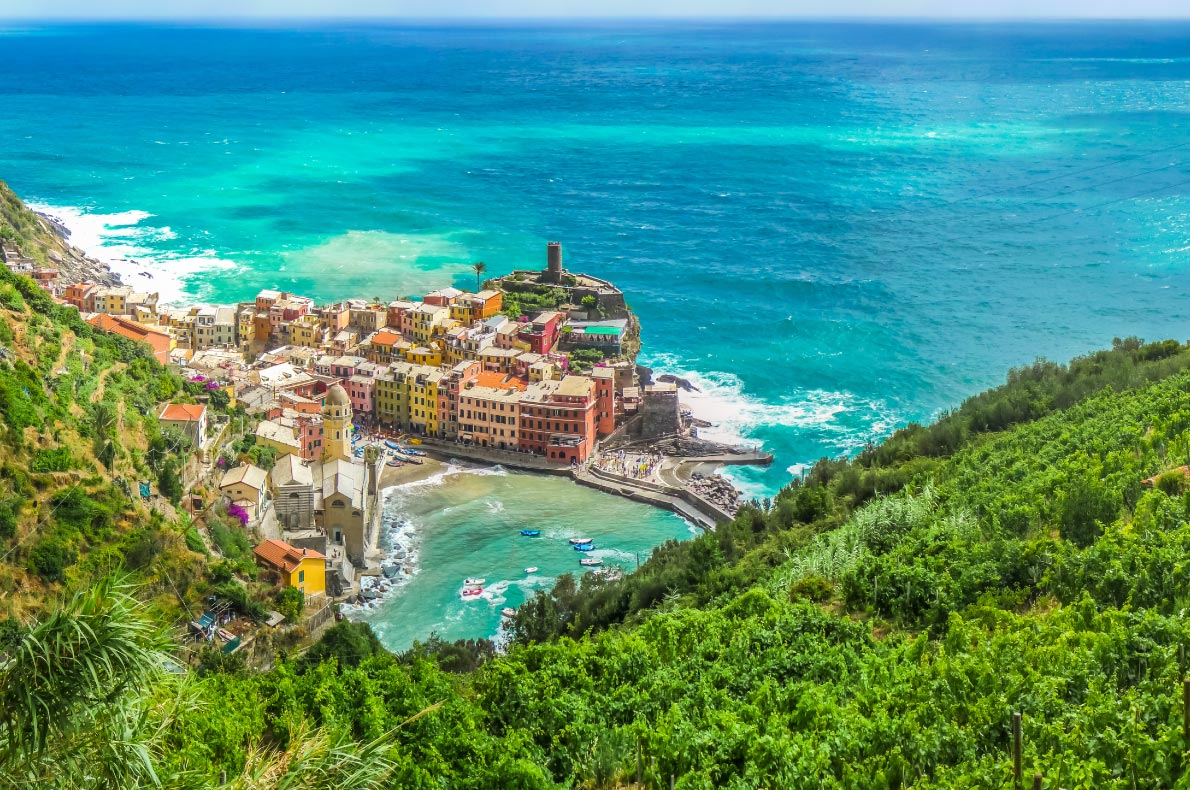
The Tuscan Coast, a jewel of the Tyrrhenian Sea, offers a diverse and captivating experience that extends far beyond the region’s famed rolling hills and historic cities. This travel guide aims to unveil the splendor of Tuscany’s coastline, from its sun-kissed beaches to its charming coastal towns, providing invaluable travel tips for an unforgettable Tuscan adventure. Prepare to explore a side of Tuscany that beautifully merges seaside relaxation with rich culture and breathtaking natural beauty.
Introduction to the Tuscany Coast
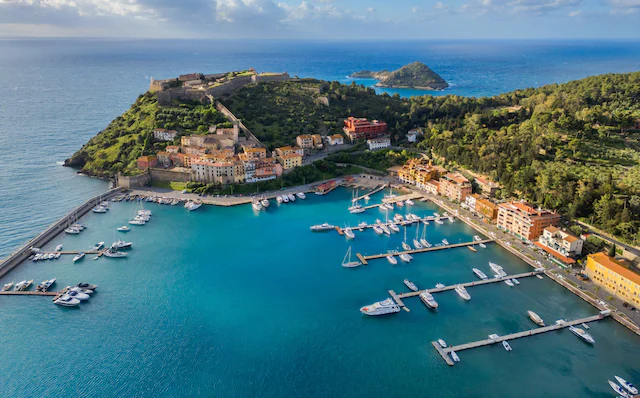
Monte Argentario peninsula
Overview of Tuscany’s Coastal Regions
Tuscany’s coastline, stretching over 230 kilometers along the Tyrrhenian Sea, is a geographical marvel, presenting a striking contrast to the region’s well-known inland vineyards and rolling countryside. From the northern Versilia coast to the rugged and wild Maremma coast in the south, the Tuscan Coast offers an incredible variety of landscapes and experiences. Further south, the Monte Argentario peninsula provides a unique island-like feel, while the islands of the Tuscan Archipelago beckon with their pristine waters and hidden coves. Each segment of this extensive coastline contributes to the overall allure of Tuscany as a premier travel destination, making it a key element of any comprehensive Tuscany travel guide.
| Coastal Area | Notable Features |
| Versilia Coast | Chic resorts like Forte dei Marmi and Viareggio |
| Monte Argentario peninsula | Exclusive havens like Porto Santo Stefano and Porto Ercole |
| Tuscan Archipelago | Islands including Elba and Giglio |
Importance of Beaches in Tuscany
While Tuscany is often celebrated for its artistic heritage, medieval towns, and culinary delights, the importance of its beautiful beaches cannot be overstated, offering a refreshing dimension to the classic Tuscan experience. The beaches in Tuscany provide an ideal respite from the summer heat of inland cities like Florence and Siena, inviting visitors to unwind on sandy beaches or explore secluded coves. Many Tuscan towns along the coast, such as Castiglione della Pescaia and Pietrasanta, have cultivated a distinct seaside culture, complete with bustling promenades, excellent seafood restaurants, and vibrant beach club scenes. These coastal areas, with their unique blend of natural beauty and leisure activities, are essential for anyone looking to fully explore Tuscany and discover its diverse offerings.
Traveling to the Tuscany Coast from Florence
Traveling to the Tuscan Coast from Florence, a prominent inland hub, is both convenient and rewarding, offering various scenic routes that showcase the region’s diverse landscapes. For those starting their journey from Florence, here are some common ways to reach the coast:
- The most direct path often leads towards cities like Pisa or Livorno, serving as gateways to the Versilia coast or the Etruscan Coast. A drive from Florence can take you through picturesque Tuscan countryside, past olive groves and charming hillside towns, before descending towards the sparkling Tyrrhenian Sea.
- Public transportation options, including trains and buses, also provide accessible connections, allowing travelers to easily reach popular coastal destinations and begin their exploration of the best beaches and coastal towns that define the enchanting Tuscany Coast.
These travel tips ensure a smooth transition from urban exploration to seaside relaxation.
Best Beaches in Tuscany
Versilia Coast: A Popular Destination
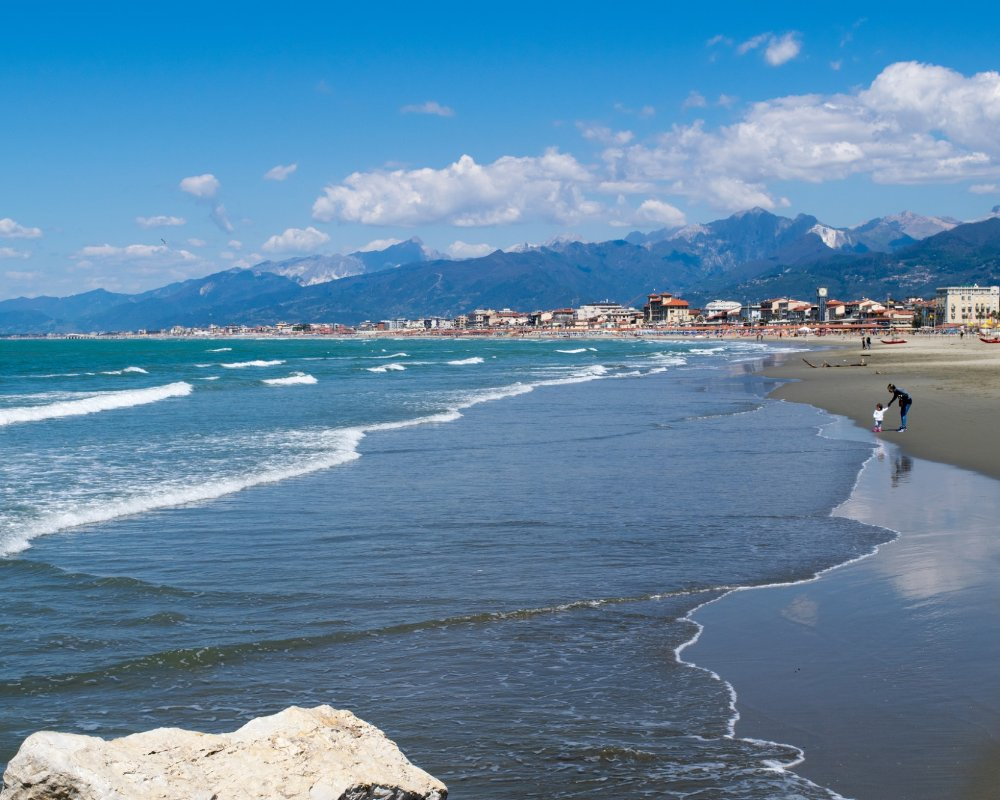
The Versilia Coast, located in the northern part of the Tuscan coastline, stands as one of Tuscany’s most popular and chic beach destinations, renowned for its long stretches of sandy beaches and vibrant atmosphere. Iconic towns like Forte dei Marmi and Viareggio epitomize the luxury and elegance of this Tuscan Riviera, attracting visitors with their sophisticated beach clubs, designer boutiques, and lively nightlife. These coastal areas are perfect for those seeking a mix of relaxation and entertainment, with well-equipped establishments offering every amenity imaginable. The Versilia Coast is easily accessible from cities like Florence and Lucca, making it a convenient escape to the Tyrrhenian Sea for a quintessential Tuscan seaside experience.
Hidden Gems: Beautiful Beaches in Maremma
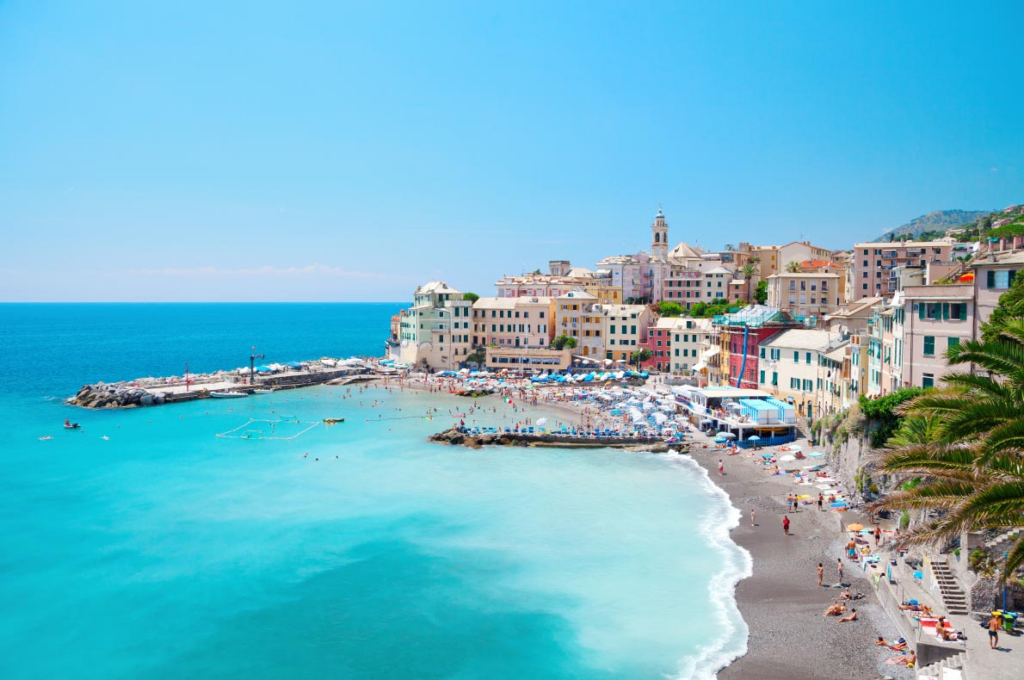
Venturing south along the Tuscan Coast reveals the Maremma, a region celebrated for its wilder, more pristine, and often less crowded beautiful beaches—true hidden gems for those looking to explore Tuscany away from the bustling crowds. The Maremma coast offers a stark contrast to the chic Versilia, with its rugged landscapes, dense pine forests, and nature reserves that cradle secluded coves and expansive sandy beaches. Destinations like Castiglione della Pescaia blend charm with accessibility, while further south, areas near Giglio Island and Monte Argentario boast some of the best beaches in Tuscany for snorkeling and diving. These coastal areas provide an authentic Tuscan experience, inviting visitors to discover the raw beauty of the Tyrrhenian Sea and enjoy tranquil moments by the water.
Monte Argentario: Unique Coastal Experience
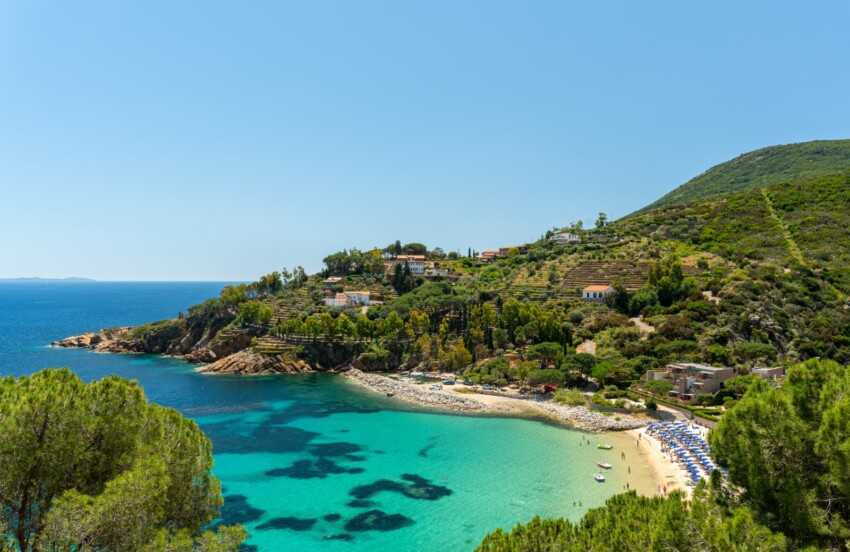
Monte Argentario offers a truly unique coastal experience within Tuscany, feeling more like an island due to its distinctive mountainous peninsula connected to the mainland by three narrow causeways. This exclusive area, home to charming towns like Porto Santo Stefano and Porto Ercole, is renowned for its dramatic cliffs, crystal-clear waters, and hidden coves that promise a secluded beach experience. Unlike the long sandy beaches of the Versilia or the wilder stretches of the Maremma, Monte Argentario’s coastline is characterized by smaller, more intimate coves, often accessible by boat or scenic trails. It’s an ideal destination for those seeking an upscale retreat, offering luxurious accommodations and opportunities for yachting, diving, and enjoying the breathtaking views of the Tuscan Archipelago.
Exploring Coastal Towns
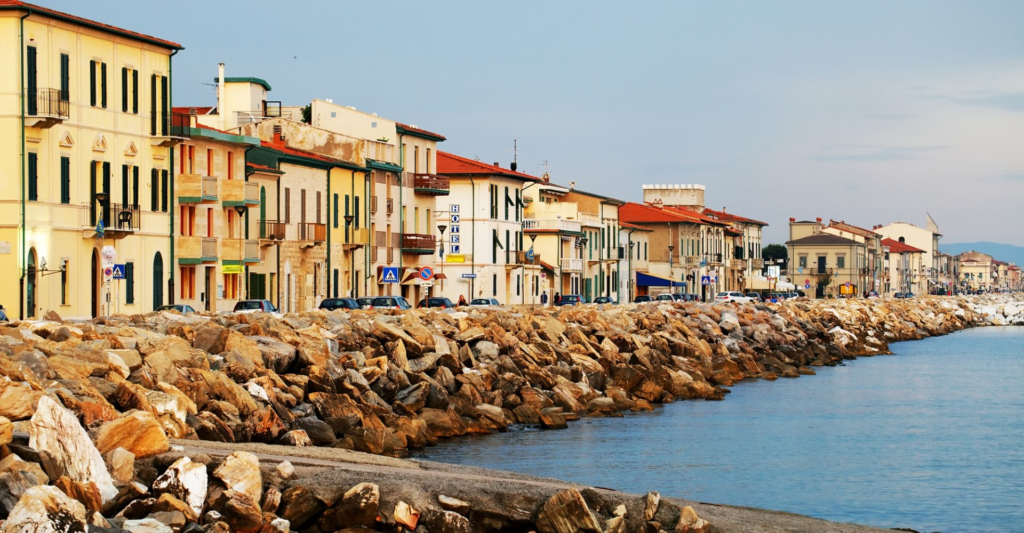
Classic Tuscan Towns Along the Coast
Beyond the allure of its beautiful beaches, the Tuscan Coast is dotted with classic Tuscan towns along the coast, each offering a unique blend of history, culture, and seaside charm. These coastal towns provide an authentic glimpse into Tuscan life, far removed from the bustling crowds of Florence or Siena. Towns such as Castiglione della Pescaia in the Maremma, with its medieval fortress overlooking the Tyrrhenian Sea, or the artistic hub of Pietrasanta near the Versilia coast, invite visitors to explore their cobbled streets, local trattorias, and artisan boutiques. These coastal areas are not just about sandy beaches; they are vibrant communities where one can savor Tuscan cuisine, discover local crafts, and experience the relaxed pace of life along the Tuscan coastline, making them essential stops in any comprehensive Tuscany travel guide.
Giglio Island: A Must-Visit
Giglio Island, part of the Tuscan Archipelago, emerges as a must-visit destination for those exploring the Tuscan Coast, offering a pristine escape into the Tyrrhenian Sea. This charming island, easily accessible from Porto Santo Stefano on Monte Argentario, boasts some of the best beaches in Tuscany, characterized by crystal-clear waters and secluded coves perfect for swimming and snorkeling. Giglio Porto, with its colorful houses and bustling harbor, provides a warm welcome, while Giglio Castello, a medieval hilltop town, offers breathtaking panoramic views of the coastline and the surrounding Tuscan Archipelago. For travelers seeking a quieter, more authentic seaside experience away from the chic beach clubs of Versilia, Giglio Island is an idyllic choice, blending natural beauty with rich history and fewer crowds.
Versilia: The Heart of Tuscany’s Coastal Culture
Versilia, often considered the heart of Tuscany’s coastal culture, presents a sophisticated and lively contrast to the wilder Maremma coast. This popular destination along the Tuscan coastline is renowned for its chic beach resorts like Forte dei Marmi and Viareggio, which have long been favored by both Italian and international visitors. Here, the beach club experience is paramount, offering luxurious amenities, fine dining, and vibrant nightlife right on the sandy beaches. Beyond the glitz, Versilia also boasts a rich artistic heritage, particularly in Pietrasanta, known for its marble workshops and sculpture studios. The scenic backdrop of the Apuan Alps adds to the region’s unique charm, making Versilia an indispensable part of any Tuscany travel guide for those wishing to explore Tuscany’s glamorous seaside.
Travel Tips for the Tuscan Coast
Best Times to Visit Tuscany
Choosing the best times to visit Tuscany, particularly its beautiful Tuscan Coast, is crucial for an optimal travel experience, balancing pleasant weather with the desire for fewer crowds.
| Season | Characteristics |
| Late Spring (April-May) & Early Autumn (Sept-Oct) | Warm, sunny days; pleasant for beaches and swimming; fewer crowds; vibrant coastal towns (e.g., Forte dei Marmi, Castiglione della Pescaia). |
| Summer (June-August) | Peak season; lively beach clubs; bustling atmosphere (especially Versilia coast); higher temperatures and and prices. |
| Winter | Quieter, more reflective experience; many seaside amenities may be closed. |
Suggestions for Accommodations and Villas
When planning your visit to the Tuscan Coast, the choice of accommodations significantly enhances your travel experience, with options ranging from luxurious villas to charming boutique hotels. For those seeking an exclusive retreat, renting a Tuscan villa in the scenic countryside near coastal areas like the Maremma or Monte Argentario offers privacy and breathtaking views, often complete with olive groves and vineyards. Along the Versilia coast, particularly in Forte dei Marmi and Viareggio, you’ll find chic beach resorts and hotels that provide direct access to sandy beaches and bustling promenades. For a more authentic feel, consider staying in converted farmhouses or local trattorias in charming towns like Castiglione della Pescaia, which provide a taste of classic Tuscan hospitality. Early booking is highly recommended, especially if you plan to visit during peak season or seek a specific type of Tuscan villa.
Local Cuisine: Tuscan Recipes to Try
Exploring the Tuscan Coast is incomplete without indulging in its exquisite local cuisine, which beautifully marries the flavors of the land and the Tyrrhenian Sea. While inland Tuscany is famed for its rich pastas and wild boar dishes, the coastal areas offer an abundance of fresh seafood. Be sure to try “cacciucco,” a hearty fish stew popular along the Etruscan Coast, or simply grilled catch of the day, often served with local olive oil and herbs. Many Tuscan towns along the coast, from Porto Santo Stefano on Monte Argentario to the charming towns of the Maremma, boast local trattorias where you can savor authentic Tuscan cuisine, including specialties like fresh pasta with seafood or traditional “focaccia” with local ingredients. Pair your meal with a glass of local Tuscan wine from nearby vineyards for a truly immersive culinary experience, enjoying the best places that showcase the region’s gastronomic prowess.