
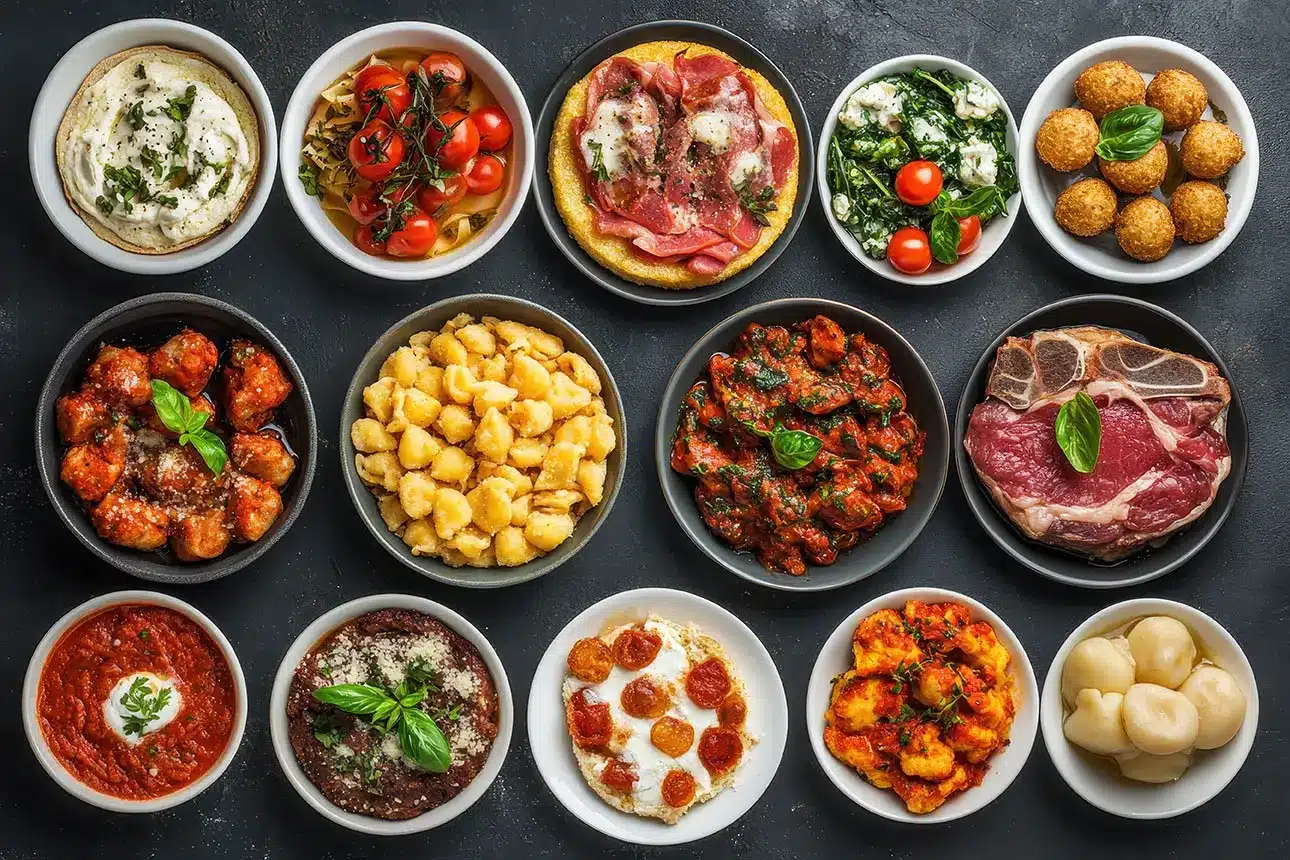
Discover the culinary heart of Italy with this comprehensive guide to Tuscan cuisine, exploring its rich history, traditional dishes, and the unique flavors that define this beloved region.
Introduction to Tuscan Cuisine

What is Tuscan Food?
Tuscan food is renowned for its simplicity, quality ingredients, and deep-rooted traditions. It embodies the essence of Italian cuisine with its focus on fresh, seasonal produce, often sourced from the region’s fertile lands. From the bustling markets of Florence to the serene Tuscan countryside, the food of Tuscany offers a hearty and unpretentious approach to dining. A quintessential Tuscan dish often highlights the natural flavors of its components, eschewing overly complex preparations in favor of letting premium ingredients shine. Whether it’s a rustic soup or a perfectly grilled steak, Tuscan food consistently delivers a satisfying and authentic culinary experience that speaks to the soul of Tuscany.
The Importance of Tradition in Tuscan Cuisine
Tradition is not merely a suggestion in Tuscan cuisine; it is the very foundation upon which every meal is built. Ancient Tuscan recipes, passed down through generations, ensure that the authentic flavors and techniques are preserved. This adherence to traditional recipes is evident in iconic dishes like ribollita, a hearty bread and vegetable soup, or pappa al pomodoro, a rich tomato and bread soup. The use of locally sourced ingredients, such as the robust extra virgin olive oil and the flavorful pecorino cheese from Pienza, further reinforces this commitment to tradition. It’s this steadfast respect for the past that makes Tuscan food so genuinely distinct and beloved, offering a taste of history with every bite.
Overview of the Food of Tuscany
The food of Tuscany is a vibrant tapestry woven from the region’s diverse landscapes and culinary heritage. From the robust flavors of Florence and Tuscany, where the famous bistecca alla fiorentina, a thick-cut chianina t-bone steak, reigns supreme, to the rustic charm of Siena with its rich wild boar dishes, every corner of Tuscany offers unique gastronomic delights. The region is also celebrated for its exceptional wines, including Chianti Classico, Brunello di Montalcino, and Vino Nobile di Montepulciano, which perfectly complement the hearty Tuscan fare. Essential ingredients like extra virgin olive oil, cannellini beans, and ripe tomatoes form the backbone of many traditional dishes, contributing to the distinctive and unforgettable taste of Tuscan cuisine.
Must-Try Tuscan Dishes
bistecca alla fiorentina
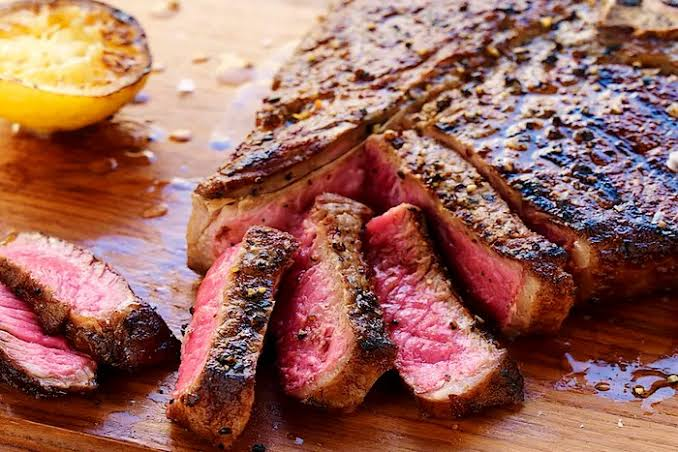
Bistecca alla Fiorentina
No exploration of Tuscan cuisine would be complete without indulging in Bistecca alla Fiorentina, an iconic dish that stands as a testament to the simplicity and quality of the food of Tuscany. This magnificent Florentine steak, traditionally sourced from Chianina cattle, is a thick-cut T-bone steak, grilled to perfection over hot coals and served rare. The key to its exquisite flavor lies in the premium quality of the meat and a minimal seasoning of salt and pepper, allowing the natural richness of the Chianina to truly shine. Paired with a robust Tuscan red wine, perhaps a Chianti Classico or Brunello di Montalcino, and a drizzle of local extra virgin olive oil, it embodies the hearty spirit of Florence and Tuscany.
Ribollita: A Hearty Tuscan Soup
Ribollita is a quintessential Tuscan dish, a hearty and traditional Tuscan soup that exemplifies the ingenuity and resourcefulness of ancient Tuscan recipes. Its name, meaning “reboiled,” refers to the method of reheating the soup the day after it’s made, allowing the flavors to meld and deepen. This robust vegetable and bread soup typically features staples like cannellini beans, cavolo nero (black kale), other seasonal vegetables, and, crucially, stale Tuscan bread. Far from a simple peasant dish, Ribollita is a comforting and nutritious staple, offering a taste of the authentic Tuscan countryside. A drizzle of quality olive oil before serving elevates this traditional local specialty to a truly satisfying experience.
Pici: The Traditional Tuscan Pasta
Pici is a distinctive hand-rolled Tuscan pasta, celebrated in Southern Tuscany, particularly around Siena, for its rustic charm and delightful texture. Unlike other more delicate Italian pastas, pici are thick, irregular strands, traditionally made with just flour and water, though some variations might include an egg. This hearty pasta perfectly holds rich, flavorful sauces, making it an ideal canvas for classic Tuscan cuisine. Common pairings include aglione (a garlic and tomato sauce), wild boar ragu, or a rich truffle sauce, especially when white truffles are in season. Pici embodies the unpretentious yet deeply satisfying nature of traditional Tuscan dishes, making it a must-try for any visitor to Tuscany.
Signature Tuscan Ingredients
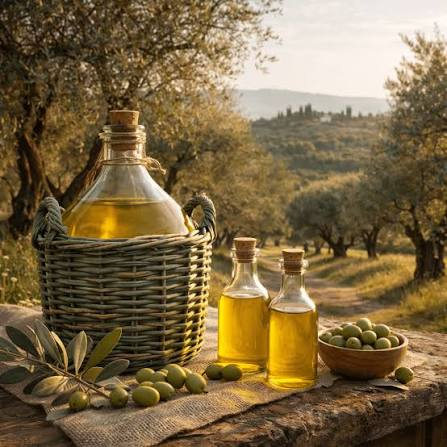
Olive Oil and its Role in Tuscan Cooking
Extra virgin olive oil is not just an ingredient in Tuscan cuisine; it is the very soul of Tuscan food, deeply embedded in every aspect of the region’s culinary identity. This liquid gold, often referred to as “green gold,” is produced from olives harvested in the rolling hills of Tuscany, offering a robust and fruity flavor profile that is distinctively Tuscan. Used generously in traditional Tuscan dishes, it serves as the base for many sauces, a finishing drizzle for grilled meats and hearty soups like ribollita, and even as a simple accompaniment to a slice of Tuscan bread. The quality of extra virgin olive oil in Tuscany is so revered that it often dictates the success of a dish, making it an indispensable component of the food of Tuscany.
Truffles: The Hidden Gem of Tuscany
Tuscany is renowned for its exceptional truffles, especially the prized white truffles found in areas like San Miniato and the hills around Siena. These aromatic fungi are a hidden gem of Tuscan cuisine, lending an earthy, luxurious depth to numerous traditional Tuscan dishes. Whether shaved over a simple plate of pici pasta, incorporated into a rich risotto, or used to elevate a Florentine steak, truffles transform ordinary ingredients into extraordinary culinary experiences. The season for white truffles, typically autumn, brings a palpable excitement to Tuscany, as locals and visitors alike seek out these gourmet treasures, further enriching the already vibrant food of Tuscany.
Local Vegetables and Herbs in Tuscan Dishes
The fertile soil of Tuscany yields an abundance of fresh, seasonal vegetables and aromatic herbs that are fundamental to Tuscan food. Staples like ripe tomatoes, cannellini beans, and cavolo nero (black kale) form the backbone of many hearty Tuscan dishes, including the famous pappa al pomodoro and ribollita. Herbs such as rosemary, sage, and thyme are used generously, infusing dishes with their distinctive fragrances and flavors, reflecting the simplicity and freshness that define Tuscan cuisine. This commitment to fresh, local produce not only enhances the taste but also celebrates the close connection between the land and the table, making every meal a true reflection of the Tuscan countryside.
Tuscan Wine Pairings
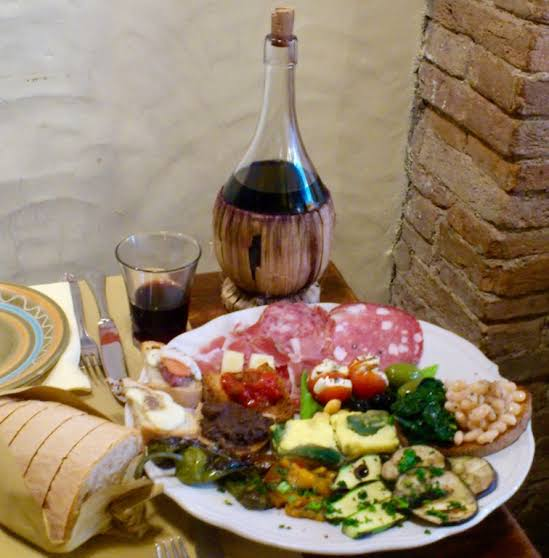
Exploring Tuscan Wine Varieties
Tuscany, a region synonymous with exquisite wines, offers a diverse array of varieties that perfectly complement its rich cuisine. The iconic Chianti, particularly Chianti Classico, with its Sangiovese grape base, presents a vibrant acidity and cherry notes, making it an ideal companion for hearty Tuscan dishes like Bistecca alla Fiorentina. Further south, Brunello di Montalcino, a more robust and complex red wine, boasts deep fruit flavors and a long finish, perfectly suited for richer meats and game, such as wild boar ragu. Vino Nobile di Montepulciano, another Sangiovese-dominant wine, offers elegance and structure, often enhanced by blends with local varietals, providing a delightful pairing for various traditional Tuscan preparations. These Tuscan wines embody the spirit of the region, enhancing the food of Tuscany with their unique characteristics.
How to Pair Tuscan Dishes with Wine
Pairing Tuscan dishes with the right wine is an art that elevates the entire dining experience, especially when considering the robust flavors of Tuscan cuisine. For a classic Florentine steak or Bistecca alla Fiorentina, a bold red wine such as Chianti Classico or Brunello di Montalcino is essential, its structure and tannins cutting through the richness of the Chianina meat. Lighter appetizers or seafood preparations from the coast, such as those found in Livorno, often call for a crisp Vermentino. Hearty soups like Ribollita or Pappa al Pomodoro benefit from a medium-bodied red, such as a young Chianti, whose acidity balances the earthiness of the vegetables and Tuscan bread. The general rule is to match the intensity of the food with the intensity of the Tuscan wine, ensuring a harmonious balance between the plate and the glass.
Famous Wine Regions in Tuscany
Tuscany is home to several world-renowned wine regions, each contributing to the region’s illustrious reputation for exceptional wines. The Chianti region, particularly the Chianti Classico zone marked by its black rooster symbol, is arguably the most famous, producing robust red wine that is a cornerstone of Italian cuisine. Montalcino is celebrated globally for its opulent Brunello di Montalcino, a powerful and age-worthy red wine made exclusively from Sangiovese grapes, perfectly complementing rich Tuscan food. Montepulciano, another significant area, produces Vino Nobile di Montepulciano, a sophisticated red wine known for its elegance and complexity. San Gimignano, while also known for its medieval towers, is famous for Vernaccia di San Gimignano, a crisp white wine. These regions collectively showcase the diverse terroir and winemaking traditions that define Tuscany.
Traditional Tuscan Desserts
Cantucci and Vin Santo
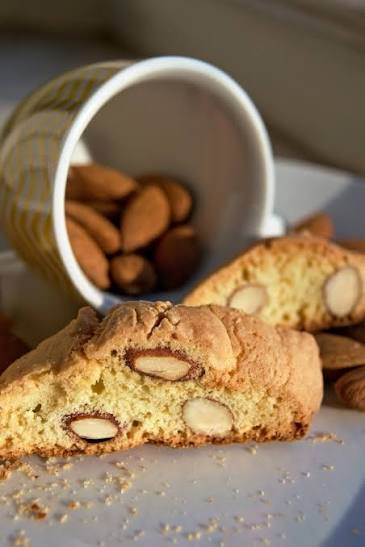
Cantucci, often referred to as biscotti, are quintessential Tuscan desserts that perfectly capture the rustic charm of Tuscan cuisine. These hard, almond biscuits are traditionally twice-baked to achieve their characteristic crunch, making them ideal for dipping. The classic pairing for cantucci is Vin Santo, a sweet dessert wine often aged for many years, giving it a rich, nutty, and sometimes honeyed flavor. This delightful ritual, where the cantucci soften as they absorb the Vin Santo, is a beloved tradition across Florence and Tuscany. It offers a wonderfully simple yet sophisticated end to any meal, embodying the unpretentious elegance found in many traditional Tuscan dishes. The combination truly highlights the sweetness and balance of authentic Tuscan flavors.
Castagnaccio: A Chestnut Flour Cake
Castagnaccio is a unique and traditional Tuscan dessert, particularly popular in the autumn months when chestnuts are harvested in the Tuscan countryside. This rustic cake is made from simple ingredients: chestnut flour, water, olive oil, pine nuts, and rosemary, making it naturally gluten-free and vegan. Its humble origins reflect the resourcefulness of ancient Tuscan recipes, utilizing readily available local produce. The taste is subtly sweet, earthy, and fragrant with rosemary, offering a distinctive flavor profile unlike typical sweet cakes. Often found in areas like Lucca, Castagnaccio provides a hearty and wholesome dessert that perfectly represents the simplicity and authenticity of Tuscan food, making it a must-try for those seeking an authentic taste of Tuscany.
Schiacciata all’Uva: Grape Focaccia
Schiacciata all’Uva is a delightful and seasonally specific traditional Tuscan dessert that celebrates the grape harvest, embodying the vibrant agricultural heritage of Tuscany. This sweet focaccia-like bread is studded with fresh, ripe grapes, often the small, dark Concord-like “uva fragola” or “uva canaiola,” which burst with juicy sweetness when baked. Drizzled with extra virgin olive oil and sprinkled with sugar, the bread achieves a beautiful balance of savory and sweet, making it a unique element of Tuscan cuisine. It’s a rustic treat, typically enjoyed in late summer and early autumn, reflecting the simplicity and reliance on fresh, local ingredients that are hallmarks of the food of Tuscany, offering a delicious taste of the Tuscan countryside.
Conclusion: The Richness of Tuscan Cuisine
The Enduring Appeal of Tuscan Food
The enduring appeal of Tuscan food lies in its unwavering commitment to simplicity, quality, and tradition, making it a beloved part of Italian cuisine. From the robust Bistecca alla Fiorentina sourced from Chianina cattle, a true centerpiece of Florence and Tuscany, to the comforting Ribollita, a hearty vegetable and bread soup, every Tuscan dish tells a story of the land and its people. The generous use of exceptional extra virgin olive oil, the earthy aroma of white truffles, and the diverse local produce, including cannellini beans and cavolo nero, create a culinary experience that is both authentic and profoundly satisfying. The seamless integration of world-class Tuscan wine, such as Chianti Classico and Brunello di Montalcino, further elevates the food of Tuscany, ensuring its global renown.
Embracing the Tuscan Culinary Experience
Embracing the Tuscan culinary experience is about more than just enjoying delicious food; it’s about immersing oneself in a way of life that values fresh ingredients, time-honored traditional recipes, and communal dining. Whether savoring a perfectly grilled Florentine steak, exploring the diverse Tuscan pasta varieties like pici, or indulging in the sweet simplicity of traditional Tuscan desserts like cantucci and Vin Santo, every meal offers a glimpse into the heart of Tuscany. The rich flavors, coupled with the stunning backdrop of the Tuscan countryside, create unforgettable memories. This guide merely scratches the surface of the gastronomic treasures awaiting in Florence, Siena, Lucca, and beyond, inviting you to discover the true essence of Tuscan cuisine.